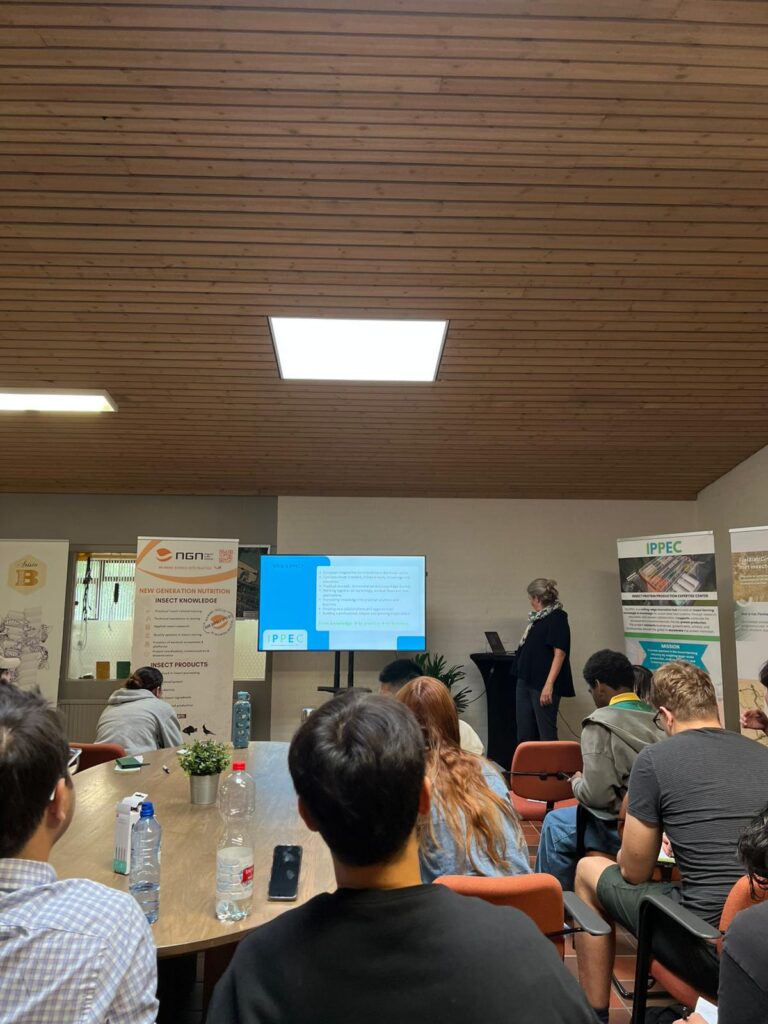
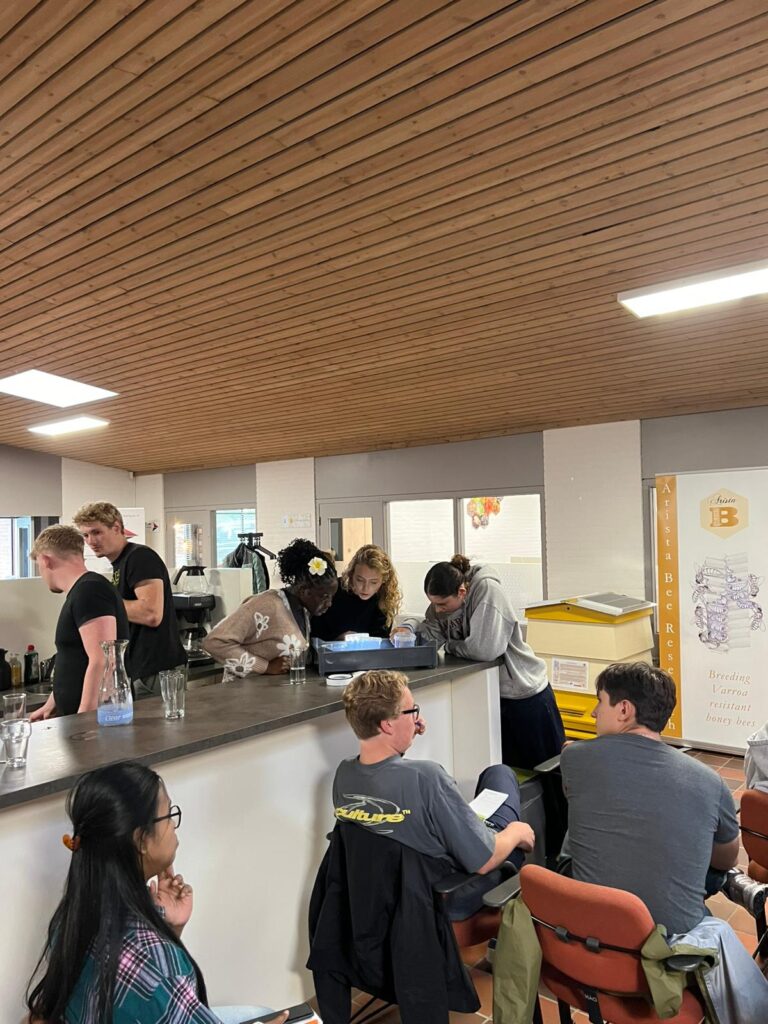
What does the insect sector look like when you step from the classroom into practice? On 3 September, 28 international students and several lecturers from HAS green academy visited the IPPEC project at the Eiwitcampus. There they got to know insect farming, circular applications and the various areas of knowledge that come together in the development of this sector.
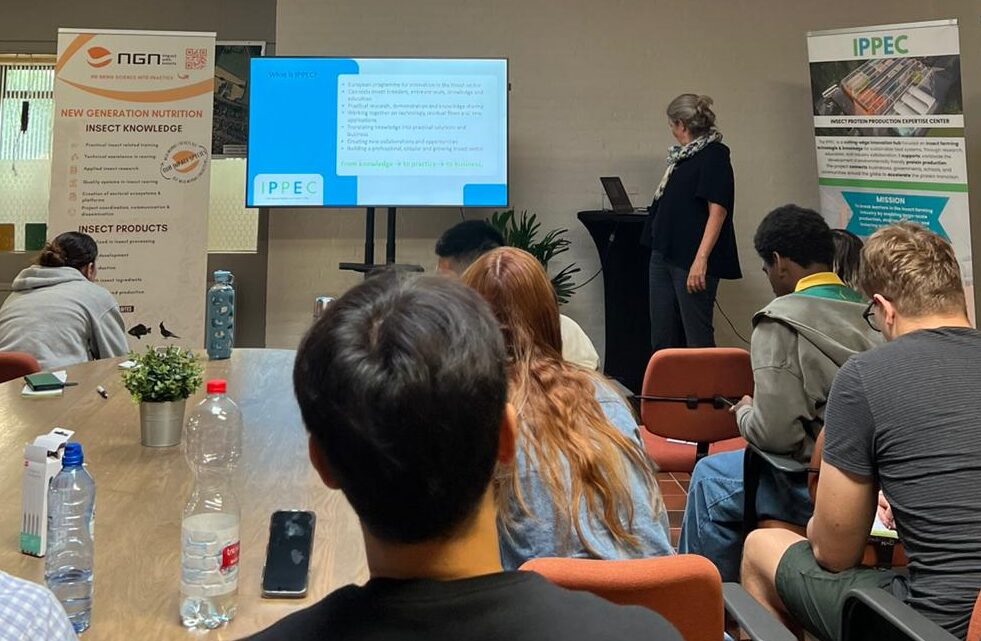
Within the IPPEC project, the Eiwitcampus is one of the places where entrepreneurs, researchers, educators and practitioners meet. For the students, the visit was a chance to see up close what developments are taking place around the production and application of insects.
Marian Peters of NGN introduced the IPPEC project and took the students through the development of the insect sector. Various parts of the chain were covered. After all, insect farming is about more than rearing insects. Topics such as raw materials and substrates, circularity, food safety, technology and the development of new products come together in practice.
Seeing and Discovering for Yourself
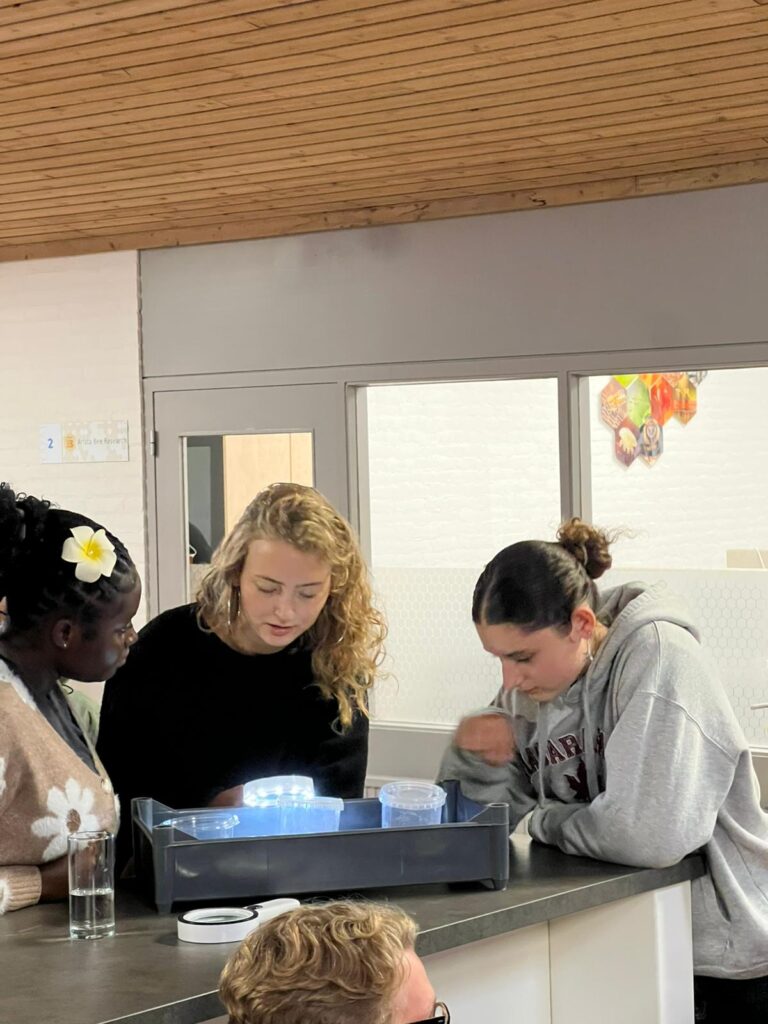
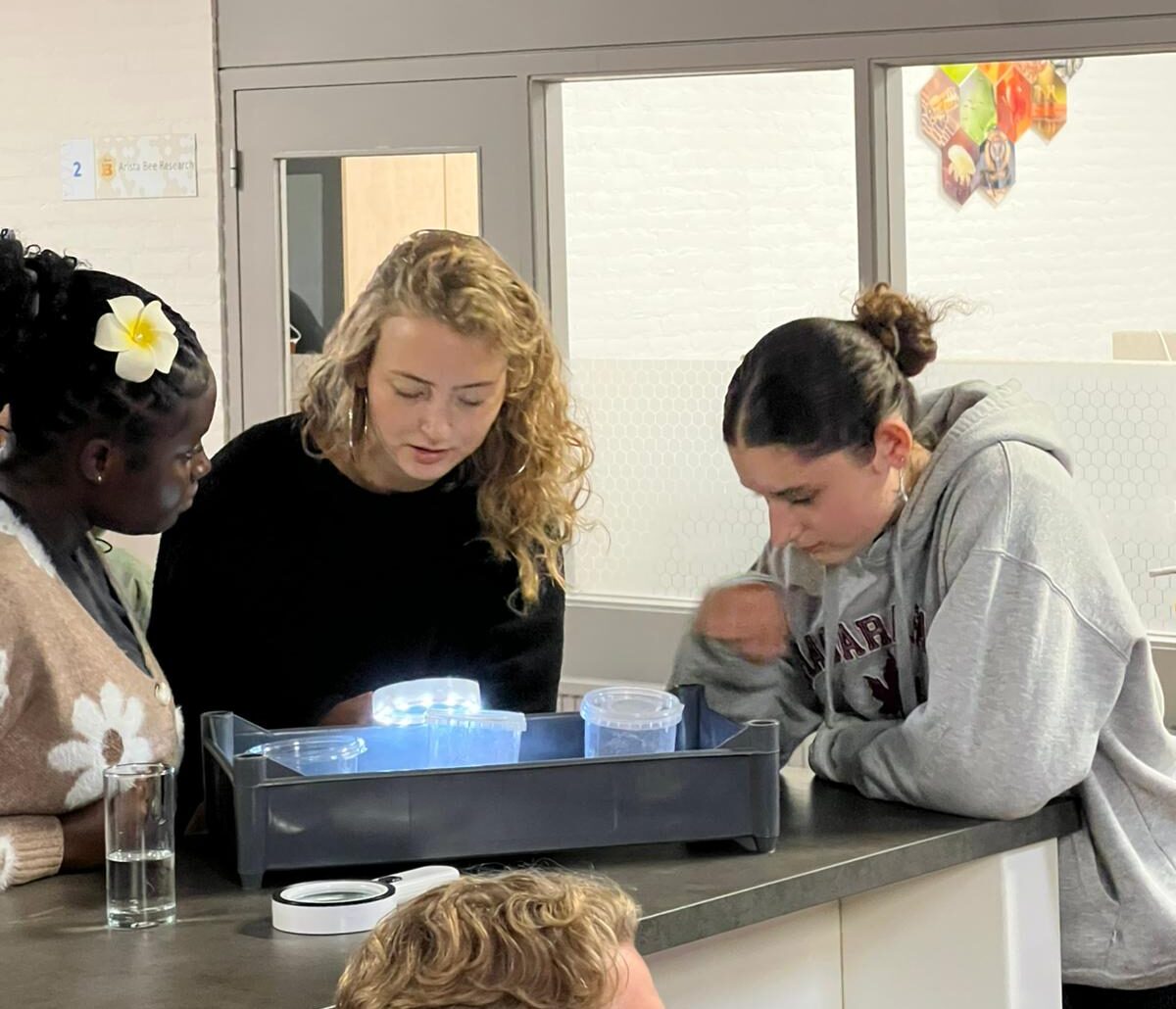
After the introduction, practice took centre stage. The students were able to take a close look at the insects and received an explanation of the different stages of the rearing process. With crates of insects and magnifying glasses within reach, it became clear how an insect develops and what practical knowledge is needed to work with them.
It is precisely this direct introduction that makes it possible to connect subjects from different degree programmes. For students of applied biology, for example, the biology of the insect and the use of different substrates are relevant. From food technology, processing and food safety play a role. Circularity then brings into view the question of how regional residual streams can be used as a raw material.
This makes the insect sector an interesting practical example of a development in which different disciplines come together.
From Practice to Education
Within IPPEC, education plays an important role in developing and spreading knowledge. By letting students engage actively with companies, technology and practical challenges, a direct link is created between developments in the sector and education.
This link works in both directions. Students gain access to current practical questions and can apply their knowledge to them. At the same time, students bring new knowledge and perspectives from their degree programmes. Within IPPEC, we are therefore also looking at how experiences and knowledge from practice can be used in course components and future projects with students.
The insect sector offers a broad field of work for this. Developing new products and applications requires knowledge of biology and technology, but also of food safety, market development and entrepreneurship. Connecting these different perspectives can contribute to new solutions.
A New Generation Gets to Know Insects
The visit by the HAS students is part of the collaboration that IPPEC wants to strengthen between practice, knowledge and education. By letting students get to know insect farming and the challenges of the sector during their studies, this knowledge also becomes more visible across education.
For the 28 students, that began very concretely on 3 September: with explanations, questions, insects in the crates and a look at practice at the Eiwitcampus.
From that first introduction, the next step can emerge: students who get to work on current challenges and connect knowledge from their studies to the further development of the insect sector.